

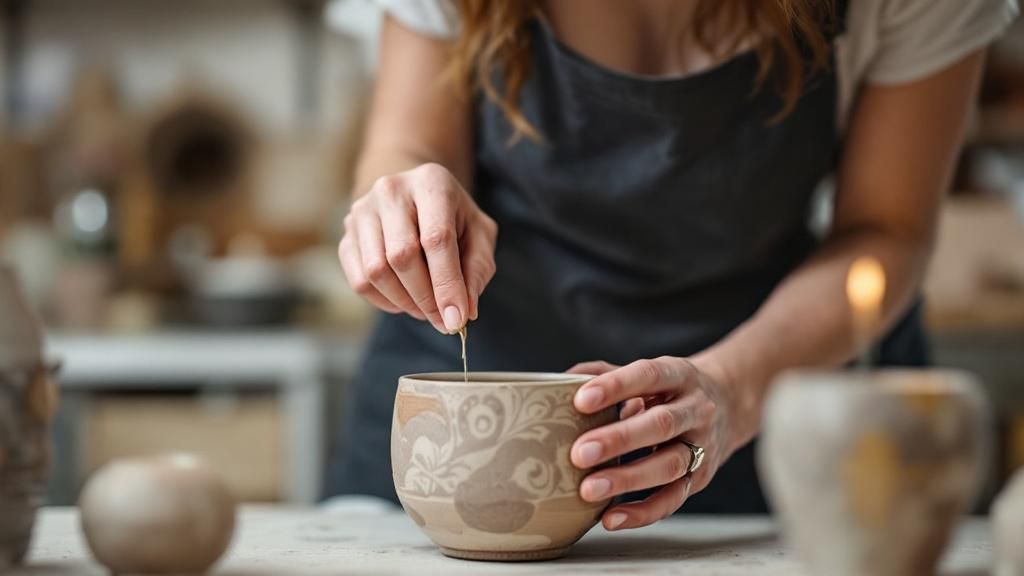
The British Crafts Council has repeatedly demonstrated its steadfast commitment to preserving and promoting the nation’s cultural legacy of established artisanal skills. This year’s showcases of achievement in ceramic and fabric arts showcase the remarkable talents of present-day craftspeople who remain committed to perfecting traditional methods. From hand-thrown ceramics to finely crafted textiles, these makers represent the highest calibre of British artistic heritage, ensuring that centuries-old skills remain dynamic and contemporary in modern times.
Acknowledgement of Skilled Artisans
The British Crafts Council’s annual awards ceremony stands as a tribute to the remarkable dedication of skilled artisans across the UK. This year’s honours scheme has identified artisans whose work in heritage pottery and textiles have been exceptionally impressive. These celebrated practitioners have demonstrated outstanding technical mastery, creative insight, and an resolute commitment to safeguarding craft heritage. Their work represents the highest standards of excellence within their particular fields, motivating established and emerging craftspeople.
Among the esteemed craftspeople are potters whose hand-thrown vessels showcase extraordinary skill and aesthetic refinement. These artisans use conventional throwing methods whilst blending contemporary design sensibilities. Their ceramics represent a careful equilibrium between practical function and creative vision. Each piece demonstrates countless hours of dedicated work and deep knowledge of ceramic materials. The recognition bestowed upon these master potters recognises their significant contribution to preserving Britain’s celebrated pottery traditions for generations to come.
Textile designers celebrated this year have demonstrated exceptional expertise of both traditional weaving and modern fabric creation. Their work encompasses hand-woven textiles, plant-based dyes, and complex pattern creation that draws upon generations of British textile legacy. These makers have effectively revived traditional techniques whilst integrating current design approaches. Their commitment to fine textiles and sustainable practices sets them apart as prominent figures in the textile industry, earning them considerable respect and regard.
The assessment procedure for these esteemed accolades involved rigorous evaluation by recognised sector specialists and peer artisans. Judges evaluated technical excellence, originality, and the craftsperson’s role in preserving traditional methods. Nominees were appraised on their body of work, innovation within traditional frameworks, and their influence on the wider craftsmanship sector. This comprehensive approach guarantees that acknowledgement truly represents the finest standard of modern British artisanal practice and artistic achievement.
Beyond individual achievements, the awards programme recognises craftspeople who have trained younger artisans, guaranteeing passing on expertise and ongoing tradition. These master craftspeople serve as keepers of irreplaceable expertise that might otherwise diminish with time. Their dedication to instruction represents an contribution to the long-term viability of time-honoured practices. By supporting new craftspeople, they ensure that British craft heritage in pottery and textiles will flourish for years ahead.
The celebration of these master craftspeople goes further than official honours, encompassing greater prominence within national and international markets. Award winners obtain expanded promotional avenues, display areas, and public exposure that boosts their reputation significantly. This enhanced prominence facilitates deeper understanding for their work amongst collectors, interior designers, and craft enthusiasts. As a result, endorsement by the British Crafts Council translates into concrete career advantages and broadened market prospects for these deserving artisans.
Current Approaches to Traditional Craftsmanship
The British Crafts Council acknowledges that traditional craftsmanship need not remain unchanging or limited to period-accurate replication. Modern makers are skilfully blending inherited practices with forward-thinking ideas, crafting objects that respect their traditions whilst speaking to current cultural perspectives. This evolving methodology ensures that pottery and textile design remain active, developing fields rather than museum pieces, attracting new generations of practitioners and enthusiasts alike.
Innovation Within Tradition
Modern craftspeople are identifying compelling connections between time-tested methods and contemporary techniques. By examining established methods, artisans reveal novel potential within existing parameters. Potters experiment with non-traditional glazes and kiln methods, whilst textile designers incorporate responsible textiles and digital technologies in conjunction with traditional weaving and organic pigments. This thoughtful integration of past and present creates pieces of authentic creative value that resonate with modern tastes.
The Crafts Council’s prize-winning practitioners exemplify this balanced philosophy. They show that valuing established practices does not necessarily mean rejecting innovation. Rather, thorough understanding of traditional methods offers a strong base from which to venture into fresh directions. These craftspeople serve as essential connectors, linking traditional excellence with future possibilities, thereby strengthening Britain’s artistic heritage substantially.
- Ethical resource procurement combined with traditional methods
- Digital technologies strengthening time-honoured craft methods
- International perspectives enhancing traditional UK craft traditions
- Joint ventures connecting traditional and contemporary artists
- Training schemes encouraging innovative methods across heritage practices
Recognition of these forward-thinking makers by the Crafts Council underscores the importance of creative evolution within traditional disciplines. By honouring those who challenge conventions whilst upholding technical excellence, the Council fosters a dynamic, innovative craft sector. This methodology ensures that UK ceramics and textile work stay culturally significant, economically viable, and authentically compelling to audiences worldwide.
Promoting the Future of British Craftsmanship
The British Crafts Council understands that preserving heritage craft skills demands more than mere celebration; it calls for substantive funding and genuine backing. Through dedicated mentorship programmes and apprenticeship schemes, the Council facilitates skill transmission between veteran practitioners and new craftspeople. These programmes ensure that heritage skills are far more than simply preserved as historical artefacts, but actively developed and refined by emerging talent of talented craftspeople focused on preserving Britain’s reputation for superior excellence and innovation.
Educational partnerships represent a cornerstone of the Council’s framework for developing future talent. Working relationships with higher education institutions and vocational training providers afford aspiring potters and textile designers with access to high-calibre teaching and contemporary equipment and resources. Via incorporating traditional craftsmanship within contemporary educational frameworks, the Council ensures that young artisans cultivate both technical mastery and entrepreneurial knowledge, preparing them to build sustainable careers whilst honouring the heritage they inherit.
Financial funding schemes have been substantially increased to support makers navigating the difficulties of modern business. Financial grants, low-interest loans, and display platforms enable artisans to acquire materials, equipment, and professional development. The Council’s commitment to fair pricing standards and sustainable business conduct additionally reinforces the financial sustainability of heritage skills, showing that high standards and environmental care can flourish together within the modern marketplace.
Community engagement initiatives present traditional pottery and textile design to larger groups across the United Kingdom. Training sessions, live displays, and community showcases encourage appreciation for these crafts whilst generating important collaborative prospects. By cultivating a community recognising handmade excellence and understands the dedication required to excel in these disciplines, the Council creates a robust foundation of support that extends far beyond institutional frameworks, embedding craftsmanship within the hearts and minds of the British public.
The Council’s progressive outlook recognises that time-honoured trades must develop to stay contemporary without diminishing their core identity. Contemporary designers are invited to test sustainable materials and innovative techniques whilst maintaining core values. This equilibrium strategy secures British ceramics and fabric design continue to appeal to global audiences, attracting connoisseurs and devotees who recognise the marriage of heritage, creativity, and environmental responsibility.
Looking ahead, the British Crafts Council remains committed in its mandate to advance traditional craftsmanship as an integral component of British cultural identity. Through sustained support, championing, and acknowledgement, the body ensures that the skills, knowledge, and artistic vision of current makers inspire generations to come. This enduring commitment guarantees that British ceramics and fabric arts will thrive for centuries to come, preserving their standing within the internationally acclaimed and esteemed creative traditions.
